
Bregenzerwald region
The Bregenzerwald in Vorarlberg is the largest region in the westernmost state of Austria. It stretches almost from Lake Constance in the west to the border with Tyrol in the east and offers a huge variety of landscapes. From hilly Alpine foothills to high Alpine mountains, the Bregenzerwald has it all, making it a popular place to live and experience.
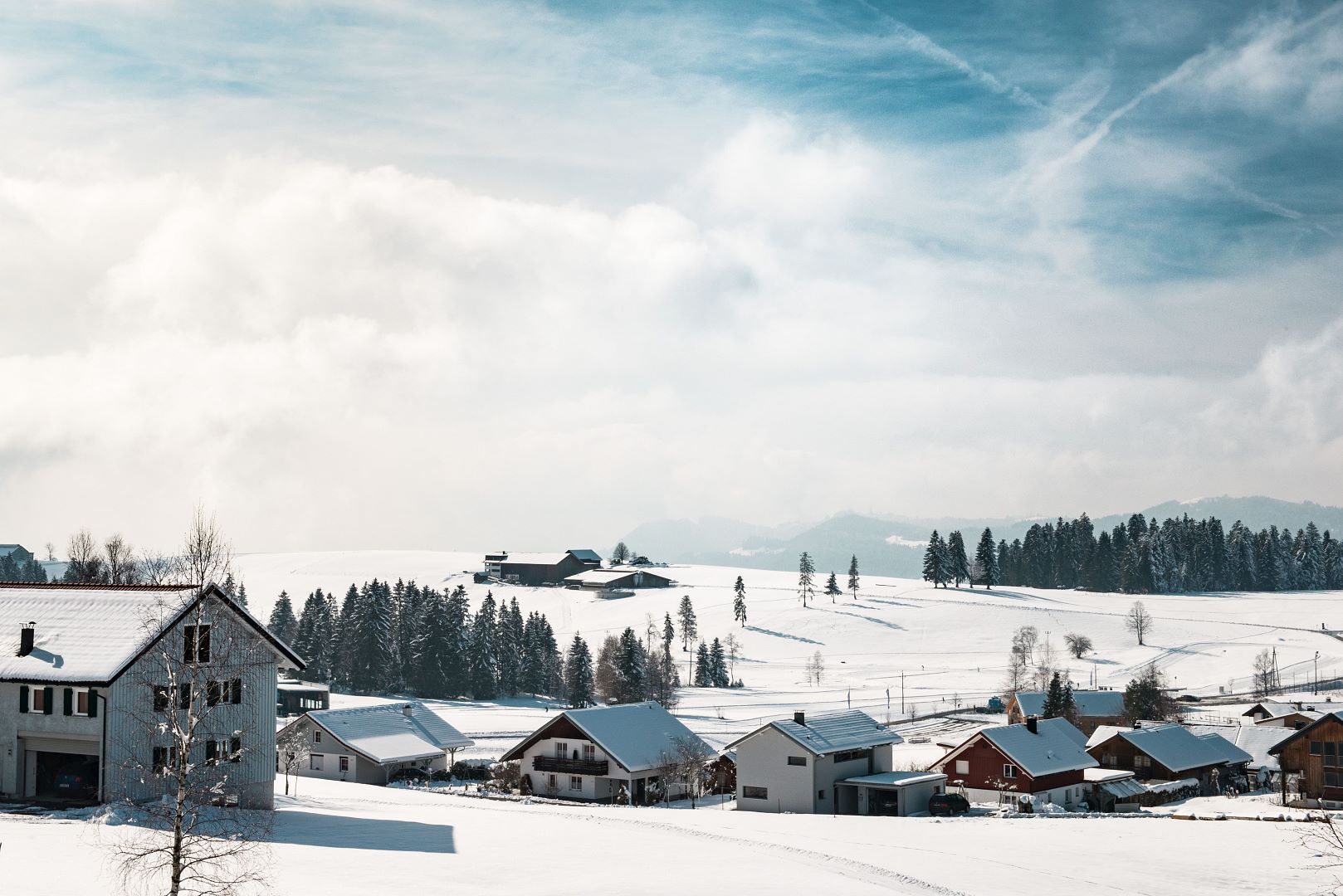


Around 32,000 people live in the Bregenzerwald region, in 23 villages. The people of the Bregenzerwald have always taken care to carefully design their living space and the agricultural landscape. Many of the villages surprise visitors with an exciting combination of old and new (wooden) architecture. Architecture and craftsmanship play a pioneering role. Working closely together, architects and craftsmen create houses and spaces of remarkable quality on the one hand, and on the other, they form an awareness of aesthetics and ecology that inspires other disciplines.
Visitors to the Bregenzerwald can experience this awareness in many different ways:
- When living in houses that combine old and new or have been sensitively rebuilt in recent years.
- When eating and enjoying in the inns, hotels and restaurants. Culinary highlights are certainly the famous Bregenzerwald cheeses, especially the mountain and alpine cheeses. The KäseStrasse Bregenzerwald (Bregenzerwald Cheese Route ) is especially dedicated to this cheese culture with its informative and enjoyable stops.
- Cultural events and exhibitions combine the classic and the modern and often incorporate the surrounding nature. The annual musical highlight is the Schubertiade Schwarzenberg. The "Werkraum" in Andelsbuch is a showcase for innovative craftsmanship.
To this day, a large part of the Bregenzerwald is a region characterized by agriculture. The three-stage cultivation of the pastures (valley - Mittelalpe "Vorsäß" - Hochalpe) is an important basis for the preservation and maintenance of the cultural landscape. It has now been included in the Austrian UNESCO list of intangible cultural heritage. The cultural landscape can be explored on numerous hiking and themed trails that tell stories about the region. A mountain bike map with detailed descriptions of the 23 top routes for beginners, advanced and professionals is available from the Damüls Faschina tourist office. Some outdoor providers also accompany adventurers and nature lovers on special trails.